

















 0
0
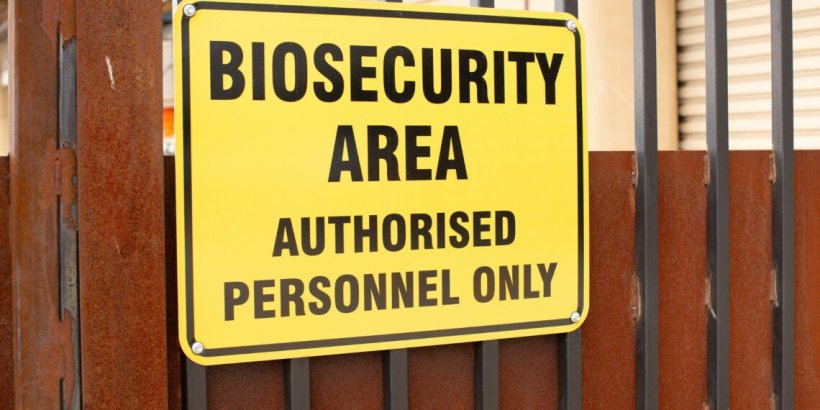
South Africa has been placed on heightened alert as rising temperatures and heavier seasonal rains increase the risk of livestock disease outbreaks across several provinces. Farmers and authorities are intensifying surveillance and prevention efforts to protect animal health, limit production losses and safeguard national food security during the high-risk period.
Seasonal conditions are driving the spread of several priority diseases, including African swine fever in pigs, lumpy skin disease in cattle, bluetongue in sheep, foot and mouth disease in cloven hoofed animals, and a range of tick-borne illnesses. Summer rainfall zones with high insect and tick activity, particularly in parts of the Eastern Cape, KwaZulu Natal, Limpopo and Gauteng, are experiencing increased exposure across both communal and commercial farming systems.

Recent figures indicate that African swine fever remains a major concern, with outbreaks reported most frequently in Gauteng and the Eastern Cape. As no vaccine or treatment is currently available, control relies on strict quarantine and animal movement restrictions. Vaccination programmes continue for lumpy skin disease and some tick-borne infections, supported by vector control measures such as dipping, insecticide use and habitat management. Authorities warn that consistent application is essential, as gaps in coverage and resistance continue to undermine disease control efforts.
November 17, 2025/South Africa/
https://www.foodformzansi.co.za/